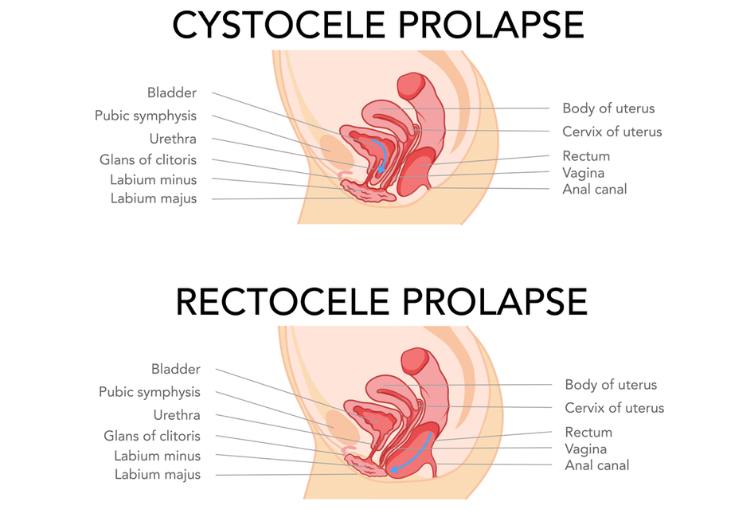
Anterior and posterior repair are surgical procedures used to correct pelvic organ prolapse involving the front (anterior) and back (posterior) walls of the vagina. These conditions occur when the supporting tissues of the pelvic organs weaken, allowing structures such as the bladder or rectum to bulge into the vaginal canal.
Dr. Amit Majumdar, Consultant Obstetrician and Gynaecologist with super-specialty expertise in urogynaecology, offers advanced anterior and posterior repair procedures. His approach focuses on restoring pelvic support, relieving symptoms, and improving long-term function and quality of life.
What is Pelvic Organ Prolapse?
Pelvic organ prolapse occurs when the muscles and connective tissues supporting the pelvic organs become weakened or damaged. This can happen due to:
Depending on the area affected, prolapse may involve the bladder (anterior), rectum (posterior), or both.
Types of Repair
Anterior Repair (Cystocele Repair)
This procedure corrects prolapse of the bladder into the front wall of the vagina.
Symptoms may include:
The weakened vaginal wall is repaired and strengthened to support the bladder in its normal position.
Posterior Repair (Rectocele Repair)
This procedure corrects prolapse of the rectum into the back wall of the vagina.
Symptoms may include:
The posterior vaginal wall is reinforced to restore normal anatomy and function.
Who Needs Anterior and Posterior Repair?
Surgical repair may be recommended for patients who:
Dr. Amit evaluates each patient carefully to determine the most appropriate treatment plan.
What Happens During the Procedure?
Anterior and posterior repair are usually performed together when both compartments are affected.
Step-by-step overview:
1. Pre-operative assessment
2. Anesthesia
3. Surgical repair
4. Completion
The procedure is performed through the vaginal route, avoiding external incisions.
What Should Patients Expect?
Before Surgery
During Surgery
After Surgery
Recovery & Aftercare
Recovery is an important part of achieving long-term success.
Patients are advised to:
Pelvic floor exercises may be recommended after recovery to maintain strength and support.
Benefits of Anterior and Posterior Repair
Why Choose Dr. Amit Majumdar?
Patients choose Dr. Amit for:
✔ Super-specialty expertise in urogynaecology
✔ Extensive experience in pelvic floor surgery
✔ Minimally invasive vaginal surgical techniques
✔ Personalized treatment planning
✔ Compassionate, patient-centered care
His goal is not only to correct prolapse but also to restore normal function and improve overall wellbeing.
When to Seek Medical Advice
You should consider consultation if you experience:
Early evaluation allows for better treatment outcomes.
Book Your Consultation
If you are experiencing symptoms of pelvic organ prolapse, effective treatment options are available.
Schedule your consultation with Dr. Amit Majumdar to receive expert care and restore comfort and confidence.