
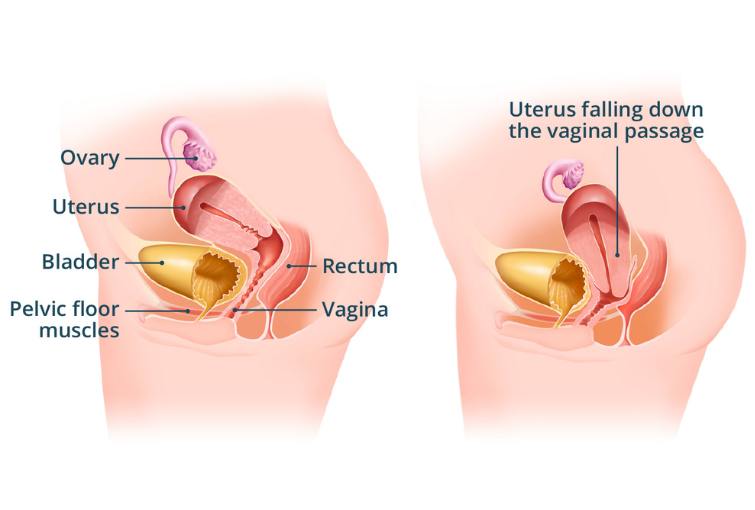
Pelvic organ prolapse is a condition where one or more pelvic organs—such as the uterus, bladder, or rectum—descend from their normal position and press into the vaginal canal. This happens when the pelvic floor muscles and supporting tissues weaken over time.
Although prolapse is common, especially after childbirth or with aging, many women hesitate to seek help. The good news is that effective treatment options are available, ranging from conservative care to advanced surgical procedures.
Dr. Amit Majumdar, Consultant Obstetrician and Gynaecologist with super-specialty expertise in urogynecology, provides comprehensive prolapse management focused on restoring support, relieving symptoms, and improving quality of life.
Understanding Pelvic Organ Prolapse
The pelvic floor acts like a supportive hammock for the pelvic organs. When this support weakens, organs may shift downward.
Depending on the organ involved, prolapse can be classified into different types.
Types of Pelvic Organ Prolapse
1. Uterine Prolapse
The uterus descends into the vaginal canal.
2. Cystocele (Bladder Prolapse)
The bladder bulges into the front wall of the vagina.
3. Rectocele (Rectal Prolapse into Vagina)
The rectum bulges into the back wall of the vagina.
4. Vault Prolapse
Occurs after hysterectomy when the top of the vagina loses support.
In many cases, more than one type may occur together.
Common Symptoms
Symptoms can vary depending on severity but often include:
Symptoms may worsen over time if left untreated.
Who Should Seek Treatment?
You should consider consultation if:
Early evaluation allows for more treatment options and better outcomes.
How Pelvic Organ Prolapse is Diagnosed
A structured assessment is essential for accurate diagnosis.
1. Medical History & Symptom Review
2. Pelvic Examination
3. Additional Tests (if required)
Treatment Options for Pelvic Organ Prolapse
Management depends on the severity of prolapse, symptoms, and patient preferences.
1. Conservative (Non-Surgical) Treatment
For mild to moderate cases:
These approaches can help control symptoms and delay progression.
2. Pelvic Floor Rehabilitation
Specialized physiotherapy may be recommended to:
3. Surgical Treatment
Surgery is considered when symptoms are significant or conservative treatment is not effective.
Common surgical options include:
The choice of surgery depends on the type of prolapse and patient preference.
What Patients Can Expect
During Consultation
During Treatment
After Treatment
Recovery & Outcomes
Recovery depends on the treatment approach:
Most patients experience significant improvement in symptoms and daily comfort.
Impact on Daily Life
Pelvic organ prolapse can affect:
With appropriate treatment, patients often regain confidence and normal function.
Why Choose Dr. Amit Majumdar?
Patients choose Dr. Amit for:
✔ Super-specialty expertise in urogynecology
✔ Extensive experience in pelvic floor disorders
✔ Advanced minimally invasive surgical techniques
✔ Personalized treatment planning
✔ Compassionate and patient-centered care
His approach ensures effective treatment with long-term support.
When to Seek Medical Advice
You should seek consultation if:
Early intervention leads to better outcomes.
Book Your Consultation
If you are experiencing symptoms of pelvic organ prolapse, expert care can help restore comfort and function.
Schedule your consultation with Dr. Amit Majumdar for personalized prolapse management and long-term relief.