
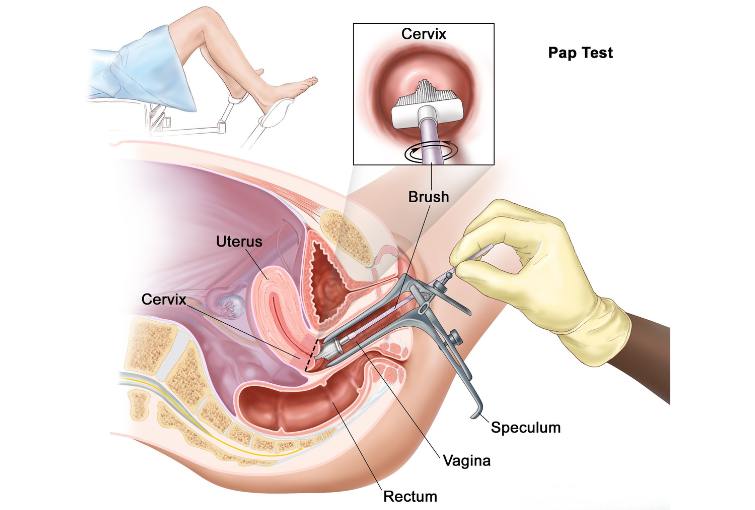
Cervical cancer screening, commonly known as a Pap smear test, is an essential part of preventive women’s healthcare. It helps detect early changes in cervical cells before they develop into cancer, allowing timely treatment and significantly improving outcomes.
Dr. Amit Majumdar, Consultant Obstetrician and Gynaecologist with super-specialty expertise in urogynecology, offers comprehensive cervical screening services. His approach focuses on early detection, patient comfort, and clear guidance to support long-term health.
What is a Pap Smear?
A Pap smear is a simple test that collects cells from the cervix (the lower part of the uterus) to check for abnormal changes.
The test helps:
In many cases, screening is combined with HPV (Human Papillomavirus) testing.
Why is Cervical Screening Important?
Cervical cancer often develops slowly and may not cause symptoms in its early stages. Regular screening helps detect changes early, when they are most treatable.
Benefits of screening include:
Regular screening is one of the most effective ways to protect cervical health.
Who Should Have a Pap Smear?
Screening is recommended for:
The frequency of testing depends on age, medical history, and previous results.
Common Symptoms That Require Screening
Even if you have no symptoms, routine screening is important. However, you should seek evaluation if you experience:
These symptoms do not always indicate cancer but require assessment.
What Happens During a Pap Smear Test?
The Pap smear is a quick and straightforward procedure performed in a clinical setting.
Step-by-step process:
1. Preparation
2. Sample Collection
3. Completion
What to Expect During the Test
Patients may experience:
The test is generally well tolerated.
Understanding Pap Smear Results
Results are usually categorized as:
Normal
Abnormal
HPV Positive
Abnormal results do not necessarily mean cancer but indicate the need for further assessment.
What Happens After an Abnormal Result?
If abnormalities are detected, additional tests may be recommended:
Early detection allows for effective management.
How to Prepare for a Pap Smear
To ensure accurate results:
These steps help improve test accuracy.
What Patients Can Expect
Before the Test
During the Test
After the Test
Importance of Regular Screening
Regular Pap smears are essential for:
Skipping screening may delay diagnosis of treatable conditions.
Why Choose Dr. Amit Majumdar?
Patients choose Dr. Amit for:
✔ Consultant-level expertise in gynecology
✔ Strong focus on preventive women’s health
✔ Gentle and patient-centered approach
✔ Accurate screening and follow-up care
✔ Clear communication and guidance
His approach ensures that patients feel comfortable, informed, and supported throughout the process.
When to Seek Medical Advice
You should consider screening if:
Regular screening is key to prevention.
Book Your Consultation
If you are due for cervical screening or want to prioritize your preventive health, expert care ensures a safe and comfortable experience.
Schedule your consultation with Dr. Amit Majumdar for cervical cancer screening and personalized care.