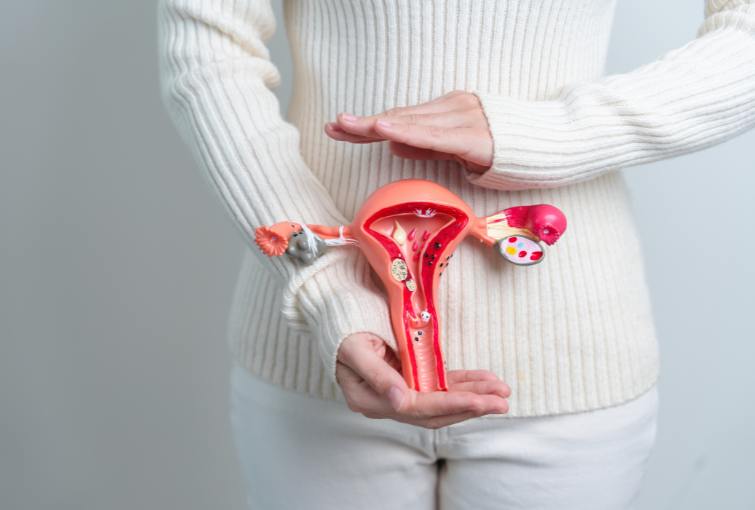
Uterine fibroids are non-cancerous growths that develop within or around the uterus. They are a common condition affecting many women, particularly during the reproductive years. While some fibroids may remain small and symptom-free, others can cause significant discomfort and impact quality of life.
Dr. Amit Majumdar, Consultant Obstetrician and Gynaecologist with super-specialty expertise in urogynecology, provides comprehensive fibroid treatment tailored to each patient. His approach focuses on accurate diagnosis, symptom relief, and choosing the most appropriate treatment option based on individual needs and future plans.
What are Uterine Fibroids?
Fibroids (also known as leiomyomas) are benign tumors that arise from the muscle layer of the uterus. They vary in size, number, and location.
Types of fibroids include:
The type and size of fibroids influence symptoms and treatment options.
Common Symptoms of Fibroids
Many women may not experience symptoms, but when fibroids grow larger or multiply, they can cause:
Symptoms can vary depending on the size and position of the fibroids.
Who Needs Treatment?
Treatment is recommended when fibroids:
Dr. Amit evaluates each case carefully before recommending treatment.
How are Fibroids Diagnosed?
1. Clinical Evaluation
2. Physical Examination
3. Imaging Tests
These steps help determine the size, location, and number of fibroids.
Treatment Options for Fibroids
Treatment depends on symptoms, size of fibroids, and the patient’s future fertility plans.
1. Medical Management
For mild to moderate symptoms, non-surgical treatment may include:
This approach helps control symptoms but may not eliminate fibroids completely.
2. Minimally Invasive Procedures
In selected cases, minimally invasive techniques may be used to reduce fibroid size or symptoms.
3. Myomectomy (Fibroid Removal)
Myomectomy is a surgical procedure to remove fibroids while preserving the uterus.
Types include:
Who is it for?
4. Hysterectomy
In cases where fibroids are severe or recurring, removal of the uterus may be recommended.
Options include:
This is considered when fertility preservation is not a concern.
What Should Patients Expect?
During Consultation
During Treatment
After Treatment
Recovery & Outcomes
Recovery depends on the type of treatment:
Most patients experience significant improvement in symptoms and quality of life.
Impact on Fertility
Fibroids can sometimes affect fertility, depending on their size and location. Dr. Amit provides fertility-focused treatment plans when required, helping patients achieve their reproductive goals.
Why Choose Dr. Amit Majumdar?
Patients choose Dr. Amit for:
✔ Consultant-level expertise in gynecology
✔ Super-specialty training in urogynecology
✔ Experience in managing complex fibroid cases
✔ Advanced minimally invasive surgical techniques
✔ Personalized and patient-centered care
His approach ensures that treatment is both effective and aligned with each patient’s long-term goals.
When to Seek Medical Advice
You should consider consultation if you experience:
Early diagnosis allows for more treatment options and better outcomes.
Book Your Consultation
If you are experiencing symptoms of fibroids or have been diagnosed with uterine fibroids, expert care can help you manage the condition effectively.
Schedule your consultation with Dr. Amit Majumdar to explore personalized fibroid treatment options and improve your quality of life.