
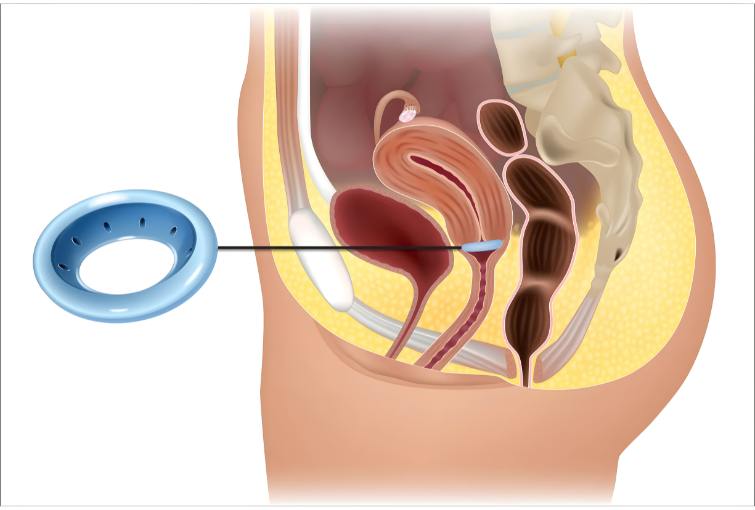
A pessary is a soft, removable medical device placed inside the vagina to provide support for pelvic organs. It is commonly used as a non-surgical treatment for pelvic organ prolapse and certain urinary symptoms, helping relieve discomfort and improve daily function.
Dr. Amit Majumdar, Consultant Obstetrician and Gynaecologist with super-specialty expertise in urogynecology, offers expert pessary fitting tailored to each patient. His approach focuses on comfort, correct sizing, and long-term management to ensure effective symptom relief.
What is a Pessary?
A pessary is typically made of medical-grade silicone and comes in different shapes and sizes. It is designed to support the pelvic organs and reduce symptoms caused by pelvic floor weakness.
It is:
Who May Benefit from a Pessary?
Pessary fitting may be recommended for women who:
A consultation helps determine if a pessary is the right option.
Conditions Treated with a Pessary
Pessaries are commonly used to manage:
They provide mechanical support to restore normal positioning of pelvic organs.
Types of Pessaries
Different types of pessaries are available depending on the condition.
Common types include:
The choice depends on individual anatomy and symptoms.
Pessary Fitting Procedure
Fitting a pessary is a careful and personalized process.
Step-by-step process:
1. Consultation & Assessment
2. Trial Fitting
3. Adjustment
4. Patient Education
What to Expect During Fitting
Patients can expect:
A well-fitted pessary should not cause pain.
After Pessary Fitting
Once fitted, patients may notice:
Patients are advised to:
Pessary Care & Maintenance
Proper care is essential for long-term use.
General guidelines include:
Dr. Amit provides detailed instructions tailored to each patient.
What Patients Can Expect
Before Fitting
During Fitting
After Fitting
Benefits of Pessary Use
Safety & Considerations
Pessaries are safe when properly fitted and maintained.
Important considerations include:
With proper care, most patients tolerate pessaries very well.
When is Pessary Not Suitable?
In some cases, alternative treatments may be recommended if:
A consultation helps determine the best option.
Why Choose Dr. Amit Majumdar?
Patients choose Dr. Amit for:
✔ Super-specialty expertise in urogynecology
✔ Experience in pelvic floor disorders
✔ Personalized pessary fitting and follow-up
✔ Gentle and patient-focused approach
✔ Comprehensive non-surgical and surgical options
His goal is to provide effective, comfortable, and long-term solutions.
When to Consider Consultation
You should consider consultation if:
Early intervention improves outcomes.
Book Your Consultation
If you are experiencing symptoms of pelvic organ prolapse or want a non-surgical solution, pessary fitting can provide effective relief.
Schedule your consultation with Dr. Amit Majumdar for expert pessary fitting and personalized care.