
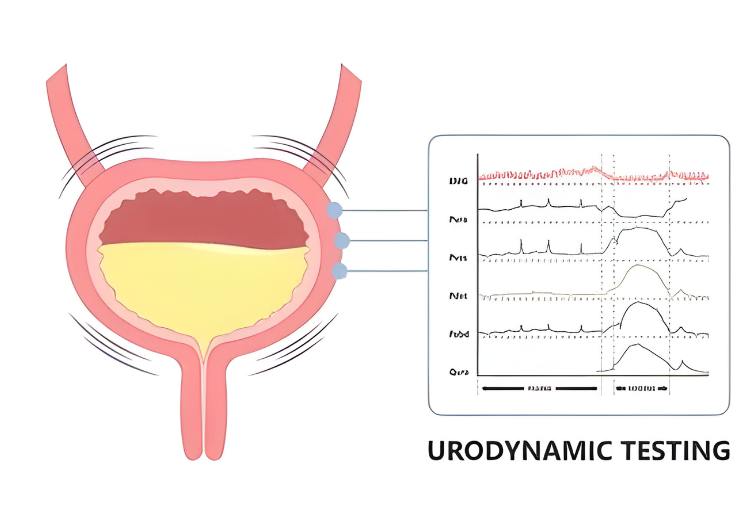
Urine flowmetry and urodynamics are specialized diagnostic tests used to assess how the bladder and urethra store and release urine. These tests are essential for identifying the underlying causes of urinary symptoms such as incontinence, urgency, or difficulty passing urine.
Dr. Amit Majumdar, Consultant Obstetrician and Gynaecologist with super-specialty expertise in urogynecology, offers comprehensive urodynamic evaluation. His approach focuses on accurate diagnosis, patient comfort, and creating personalized treatment plans based on detailed functional assessment.
What is Urine Flowmetry and Urodynamics?
These tests evaluate the function of the lower urinary tract.
Urine Flowmetry
Urodynamics
Together, these tests provide a complete understanding of bladder function.
Why are These Tests Important?
Urinary symptoms can have multiple causes, and accurate diagnosis is essential before starting treatment.
These tests help:
Who May Need Urodynamic Testing?
These tests may be recommended for patients who experience:
A consultation helps determine if testing is required.
Conditions Diagnosed with Urodynamics
Urodynamic studies help diagnose:
Accurate diagnosis ensures effective treatment planning.
What Happens During Urine Flowmetry?
Urine flowmetry is a simple and non-invasive test.
Procedure:
The test is quick and painless.
What Happens During Urodynamics?
Urodynamics is a more detailed test that evaluates bladder function.
Step-by-step process:
1. Preparation
2. Catheter Placement
3. Bladder Filling
4. Bladder Function Assessment
5. Completion
What to Expect During the Test
Patients may experience:
The procedure is generally well tolerated and performed in a controlled environment.
After the Test
After urodynamic testing:
Follow-up is based on findings.
What Do the Results Show?
Urodynamic results provide detailed information about:
These findings help identify the exact cause of symptoms.
How These Tests Help in Treatment Planning
The results guide treatment decisions, which may include:
Accurate diagnosis ensures targeted and effective care.
What Patients Can Expect
Before the Test
During the Test
After the Test
Safety & Considerations
Urodynamic testing is generally safe.
Important considerations include:
Proper technique ensures accurate and safe results.
Benefits of Urodynamic Testing
Why Choose Dr. Amit Majumdar?
Patients choose Dr. Amit for:
✔ Super-specialty expertise in urogynecology
✔ Advanced diagnostic experience
✔ Comprehensive evaluation of bladder function
✔ Personalized and evidence-based care
✔ Patient-focused and supportive approach
His goal is to identify the root cause and provide effective, long-term solutions.
When to Consider Consultation
You should consider evaluation if:
Early diagnosis leads to better outcomes.
Book Your Consultation
If you are experiencing urinary symptoms, advanced testing can help identify the cause and guide the right treatment.
Schedule your consultation with Dr. Amit Majumdar for expert urodynamic assessment and personalized care.