
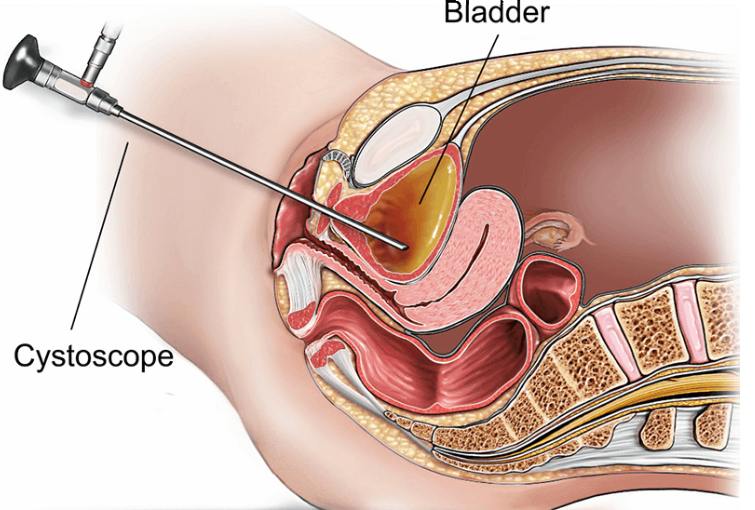
Cystoscopy is a specialized diagnostic procedure used to examine the inside of the bladder and urethra. It allows direct visualization of the urinary tract and helps identify underlying causes of persistent urinary symptoms.
Dr. Amit Majumdar, Consultant Obstetrician and Gynaecologist with super-specialty expertise in urogynecology, offers cystoscopy as part of a comprehensive evaluation of bladder and pelvic floor conditions. His approach focuses on accurate diagnosis, patient comfort, and guiding effective treatment.
What is a Cystoscopy?
Cystoscopy involves the use of a thin, flexible tube called a cystoscope, which has a camera and light at its tip. This instrument is gently inserted through the urethra into the bladder to allow detailed examination.
The procedure helps to:
Why is Cystoscopy Performed?
Cystoscopy is recommended when symptoms persist or when further evaluation is required.
Common reasons include:
It is an important tool when other tests are inconclusive.
Conditions Diagnosed with Cystoscopy
Cystoscopy can help identify:
Accurate diagnosis helps guide appropriate treatment.
Types of Cystoscopy
Flexible Cystoscopy
Rigid Cystoscopy
The choice depends on the purpose of the examination.
What Happens During the Procedure?
Cystoscopy is typically performed in a clinical or day-care setting.
Step-by-step process:
1. Preparation
2. Insertion of Cystoscope
3. Bladder Examination
4. Assessment
5. Completion
What to Expect During the Procedure
Patients may experience:
The procedure is generally well tolerated.
After the Procedure
Following cystoscopy:
Patients are advised to:
What Do the Results Show?
Cystoscopy provides immediate visual findings.
Results may include:
If needed, additional tests or treatments may be recommended.
What Patients Can Expect
Before the Procedure
During the Procedure
After the Procedure
Recovery & Aftercare
Recovery is usually quick.
Patients are advised to:
Most symptoms resolve within a short time.
Benefits of Cystoscopy
Safety & Considerations
Cystoscopy is generally safe.
Possible temporary effects include:
These effects are usually short-lived.
Why Choose Dr. Amit Majumdar?
Patients choose Dr. Amit for:
✔ Super-specialty expertise in urogynecology
✔ Experience in advanced bladder diagnostics
✔ Gentle and patient-focused approach
✔ Accurate diagnosis and treatment planning
✔ Supportive and confidential care
His approach ensures that patients feel comfortable and informed throughout the process.
When to Consider Consultation
You should consider cystoscopy if:
Early diagnosis leads to better outcomes.
Book Your Consultation
If you are experiencing urinary symptoms or require detailed bladder evaluation, cystoscopy can help identify the cause and guide treatment.
Schedule your consultation with Dr. Amit Majumdar for expert cystoscopy and personalized care.