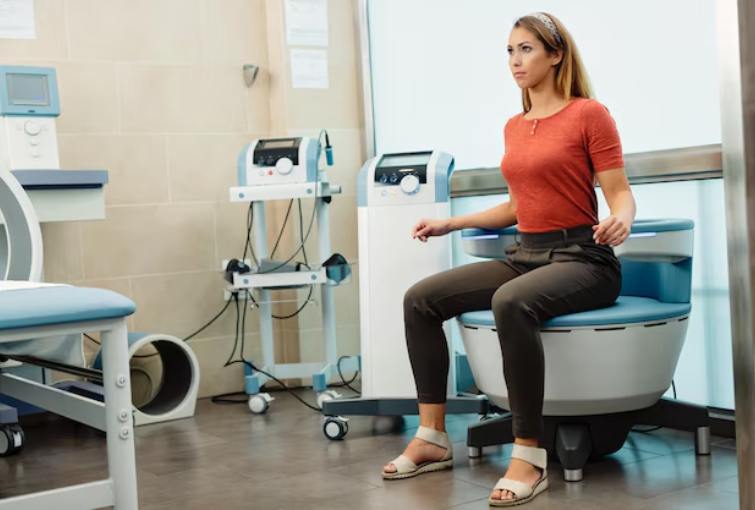
Pelvic floor rehabilitation is a specialized approach to restoring strength, function, and coordination of the pelvic floor muscles. These muscles play a vital role in supporting the bladder, uterus, and bowel, as well as maintaining continence and core stability.
When the pelvic floor becomes weak, overactive, or uncoordinated, it can lead to a range of symptoms including urinary leakage, pelvic organ prolapse, and discomfort. With the right rehabilitation program, these issues can be effectively managed and often significantly improved.
Dr. Amit Majumdar, Consultant Obstetrician and Gynaecologist with super-specialty expertise in urogynecology, offers structured pelvic floor rehabilitation programs tailored to each patient. His focus is on restoring function, relieving symptoms, and improving long-term pelvic health.
Why Pelvic Floor Health Matters
The pelvic floor is a group of muscles that acts as a supportive base for the pelvic organs. It also plays a key role in:
When these muscles are not functioning properly, even simple daily activities can become uncomfortable or challenging.
Common Symptoms of Pelvic Floor Dysfunction
Patients may experience a variety of symptoms depending on the type of dysfunction.
These may include:
These symptoms often develop gradually and may worsen without treatment.
Who Can Benefit from Pelvic Floor Rehabilitation?
Pelvic floor rehabilitation is suitable for a wide range of patients, including:
Early intervention can prevent symptoms from progressing and improve long-term outcomes.
How Pelvic Floor Rehabilitation is Assessed
A personalized rehabilitation plan begins with a detailed assessment.
1. Clinical Evaluation
2. Functional Assessment
3. Individualized Plan
Based on the findings, a tailored rehabilitation program is designed.
Pelvic Floor Rehabilitation Techniques
Treatment is structured and may include a combination of techniques.
1. Pelvic Floor Exercises (Kegel Exercises)
These exercises focus on strengthening the pelvic muscles and improving control.
Patients are guided on:
2. Bladder Training
Bladder training helps improve control and reduce urgency.
This may involve:
3. Biofeedback Therapy
In some cases, biofeedback may be used to help patients understand and improve muscle activity.
It provides:
4. Relaxation Techniques
For patients with overactive or tense pelvic muscles:
5. Lifestyle Modifications
Supportive changes may include:
What Patients Can Expect
During Consultation
During Rehabilitation
Long-Term Care
Recovery & Outcomes
Pelvic floor rehabilitation is a gradual process, and results improve with consistency.
Patients often notice:
With regular practice, benefits can be long-lasting.
Impact on Daily Life
Pelvic floor dysfunction can affect:
Rehabilitation helps restore normal function and improve overall lifestyle.
Benefits of Pelvic Floor Rehabilitation
Why Choose Dr. Amit Majumdar?
Patients choose Dr. Amit for:
✔ Super-specialty expertise in urogynecology
✔ Experience in pelvic floor disorders
✔ Structured and personalized rehabilitation plans
✔ Integration of medical and functional care
✔ Supportive and patient-focused approach
His goal is to provide effective, long-term solutions that improve both function and quality of life.
When to Seek Medical Advice
You should consider consultation if:
Early intervention leads to better outcomes.
Book Your Consultation
If you are experiencing symptoms related to pelvic floor dysfunction, targeted rehabilitation can help restore strength and confidence.
Schedule your consultation with Dr. Amit Majumdar for personalized pelvic floor rehabilitation and long-term pelvic health support.